Articles · Hot Take
Big Mama Thornton Got One $500 Check. The AI Settlements Are Running the Same Play.
The Set Newsroom · Mon Sep 28 2026
She recorded "Hound Dog" first and got one $500 check. Elvis sold 10 million. Seventy years later the majors settled with Suno and Udio, and independent artists had to file their own class action. The pattern has never been about talent. It has always been about who holds the registered copyright.
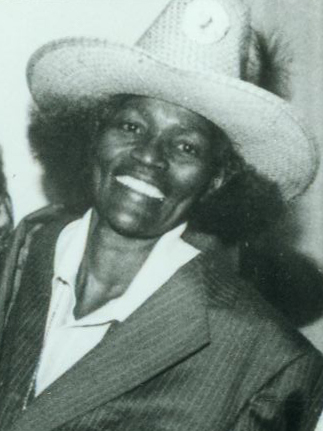
Willie Mae "Big Mama" Thornton recorded "Hound Dog" in 1952. It spent fourteen weeks on Billboard's Rhythm and Blues chart, seven of them at number one.
Here is what she said she made from it: "That song sold over two million records. I got one check for $500 and never saw another."
Four years later Elvis Presley cut the same song. His version sold over 4 million copies in the United States on first release and 10 million worldwide, and spent eleven weeks at number one on the pop chart.
Now read this. In October 2025, Universal Music Group settled with the AI company Udio. In November 2025, Warner Music Group settled with Udio and with Suno. The majors walked away with licensing deals. Independent artists walked away with a class action they had to file themselves.
Same movie. New projector.
What just happened with the AI cases
In 2024 the three major labels sued Suno and Udio for training AI models on their copyrighted recordings without a license.
They did not win in court. They signed.
Universal settled with Udio in October 2025. Warner settled with Udio and then with Suno in November 2025, in a deal where Suno also acquired Warner's live music platform Songkick. Universal and Sony are still litigating against Suno, which is fighting on fair use grounds. A federal magistrate has blocked Universal and Sony from even seeing Warner's settlement terms.
Independent artists were never at that table. On June 16, 2025, country musician Tony Justice and his label 5th Wheel Records filed class actions against Suno in Massachusetts and Udio in New York. The proposed class covers independent artists, songwriters and producers whose works appeared on streaming services since January 1, 2021. They are asking for up to $150,000 per infringed work. The filings say independent creators are "unrepresented, and without a meaningful remedy."
We broke down the label side of this fight in The Labels Sued AI for Stealing Music. Now Their Own Musicians Are Suing the Labels for the Same Thing..
The first training set was a record collection
Feeding somebody's catalog into a machine and selling the output is the new version of a very old business.
A Black artist makes the thing. The record gets studied. Somebody with distribution and a lawyer releases the version that reaches the bigger market. The money follows the paperwork, and the paperwork was rarely in the original artist's name.
That is a training loop. It ran for decades before anyone wrote a line of Python.
One check for $500
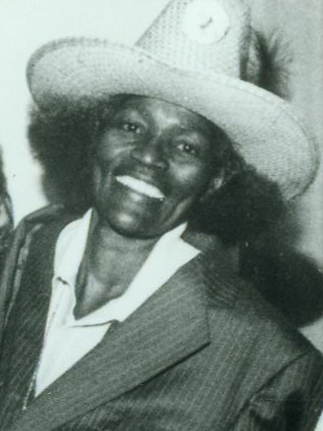
Most people tell the Thornton story wrong. Elvis did not steal her song. She never owned it.
"Hound Dog" was written by Jerry Leiber and Mike Stoller, and the publishing stayed with them. The song has been recorded more than 250 times. Every one of those versions paid the copyright holders. Thornton had the performance everybody was copying and none of the paper.
Her label boss Don Robey estimated her record sold between 500,000 and 750,000 copies. Thornton said it sold over two million. Nobody disputes the part where she got $500.
She put it plainly: "Didn't get no money from them at all. Everybody livin' in a house but me. I'm just livin'."
Pat Boone charted higher than Little Richard
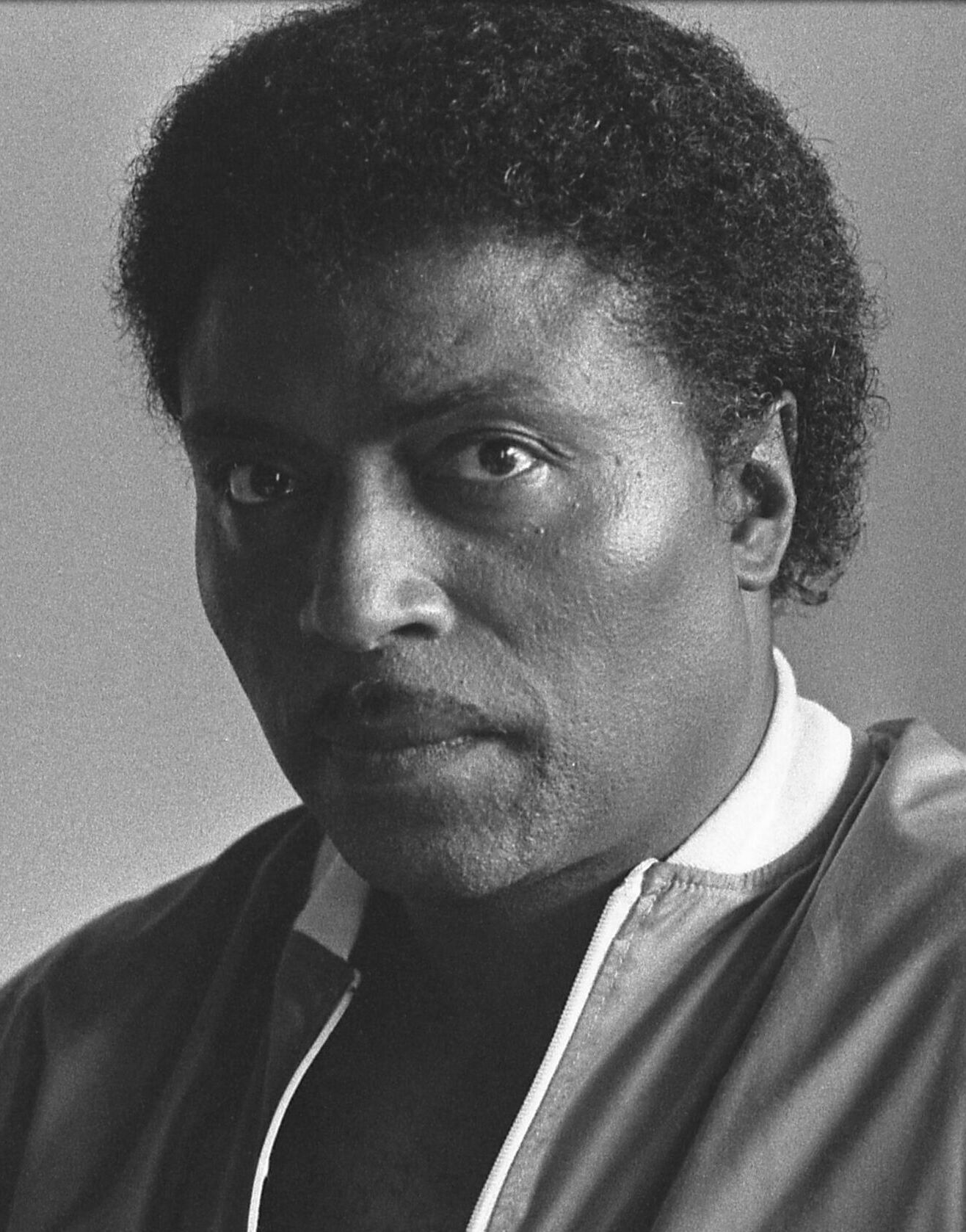
In February 1956, Pat Boone's cover of "Tutti Frutti" reached number 12 on the national pop chart. Little Richard, who made the record, reached number 21.
According to theGrio, Little Richard had sold his publishing to Specialty Records owner Art Rupe for $50. He sued Specialty in 1984 over unpaid royalties and settled out of court for an undisclosed amount.
The audience was not confused about who made the better record. The payout was routed around him before the first pressing shipped.
The catch nobody puts in the headline
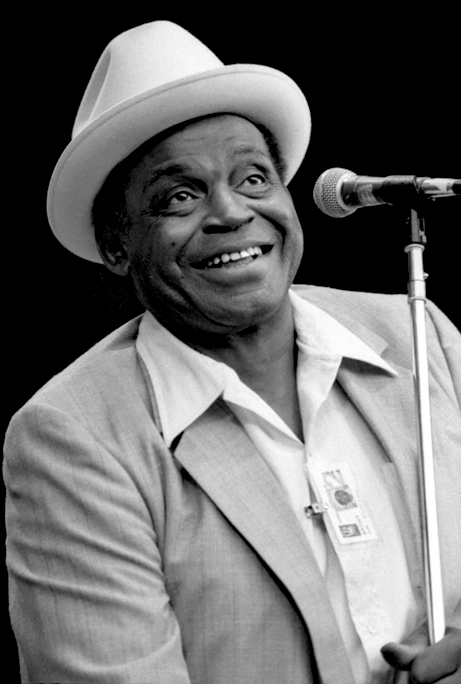
Getting copied is not the thing that costs you the money. Not owning a registered copyright is what costs you the money.
Willie Dixon proved it. Led Zeppelin's "Whole Lotta Love" adapted lyrics from Dixon's "You Need Love," recorded by Muddy Waters in 1962. Dixon sued on January 11, 1985. The case settled out of court for an undisclosed amount, and Dixon's name went onto the songwriting credits.
He could do that because he had a claim on paper, and he learned that the hard way. In 1977, Dixon and Muddy Waters sued Chess's publishing company Arc Music over small royalties and used the proceeds to start their own publisher, Hoochie Coochie Music. He later founded the Blues Heaven Foundation, which works to recoup copyrights and royalties for older blues musicians.
Marvin Gaye's estate ran the same play in 2018. The Ninth Circuit upheld a $5.3 million judgment against Robin Thicke and Pharrell Williams over "Blurred Lines": $3,188,528 in actual damages, $1,768,192 in profits from Thicke, $357,631 from Williams, plus a running royalty of 50% of future songwriter and publishing revenue.
Gaye died in 1984. His paperwork is still collecting.
What this means for independent artists right now
AI training cases get resolved by whoever can prove ownership of a registered work. That is the whole game.
When Suno or Udio or the next one writes a check, that check goes to rights holders. Not to artists. Not to talented people. To rights holders. If your splits live in a group chat and your songs are not registered anywhere, you are training data without standing.
Put the 1953 lesson in 2026 terms. The recording made Thornton famous. The copyright made other people rich. The machine changed. The filing cabinet did not.
What to do this month
1. Register your songs with the US Copyright Office. The composition and the sound recording are two separate registrations, and you want both.
2. Join a PRO and register every song, then register with The MLC for your mechanicals. Those are two different pots of money. We explained the split in Your PRO Only Pays You Half Your Royalties.
3. Go claim what is already sitting there. There is real unclaimed money waiting on registration, covered in There's $160 Million Sitting in Unclaimed Royalties.
4. Get splits in writing before anybody leaves the session. Full legal names, percentages, date, signatures.
5. Keep your stems, session files and dated drafts. Proof of authorship is exactly what a class claim runs on.
6. Check the class definition. If your music was on streaming platforms after January 1, 2021, the Justice complaints propose covering work like yours.
Where The Set fits
The Set was built so the paperwork stops being the thing that takes your catalog. Artists keep 80% or more of their sales, and the masters and the fan relationships stay with the artist. You can start free at /join, see the tiers at /pricing, and use the free Get Paid guide to walk your own registrations.
Big Mama Thornton made a record the whole industry trained on and died without the publishing. Willie Dixon got copied too, and his name is on the credits because he filed.
Nobody is coming to give you credit. Credit is a filing.
Questions
Did Elvis steal "Hound Dog" from Big Mama Thornton?
No. "Hound Dog" was written by Jerry Leiber and Mike Stoller, and the publishing stayed with them. Thornton recorded it first in 1952 and her version spent seven weeks at number one on Billboard's R&B chart. She said she received one check for $500 and never saw another. The reason the 250-plus later versions never paid her is that she held the performance and not the copyright.
Do the Universal and Warner AI settlements cover independent artists?
No. Universal settled with Udio in October 2025 and Warner settled with Udio and Suno in November 2025. Those deals cover those companies' catalogs. Independent artists filed separate class actions on June 16, 2025 against Suno and Udio, with a proposed class covering independent artists, songwriters and producers whose works appeared on streaming services since January 1, 2021.
What do I need to register so an AI settlement could actually pay me?
Register the composition and the sound recording with the US Copyright Office as two separate registrations. Register every song with your PRO for performance royalties and with The MLC for mechanicals. Get written splits with full legal names and percentages, and keep dated stems and session files as proof of authorship.