Articles · Rising Artists
He Self-Released a Song on Halloween. Six Weeks Later, Streams Were Up 1,882%.
The Set Newsroom · Tue Sep 15 2026
No label, no budget, no plan. Just one Halloween song, a TikTok dance trend, and an 1,882% streaming spike that ended with a major label deal.
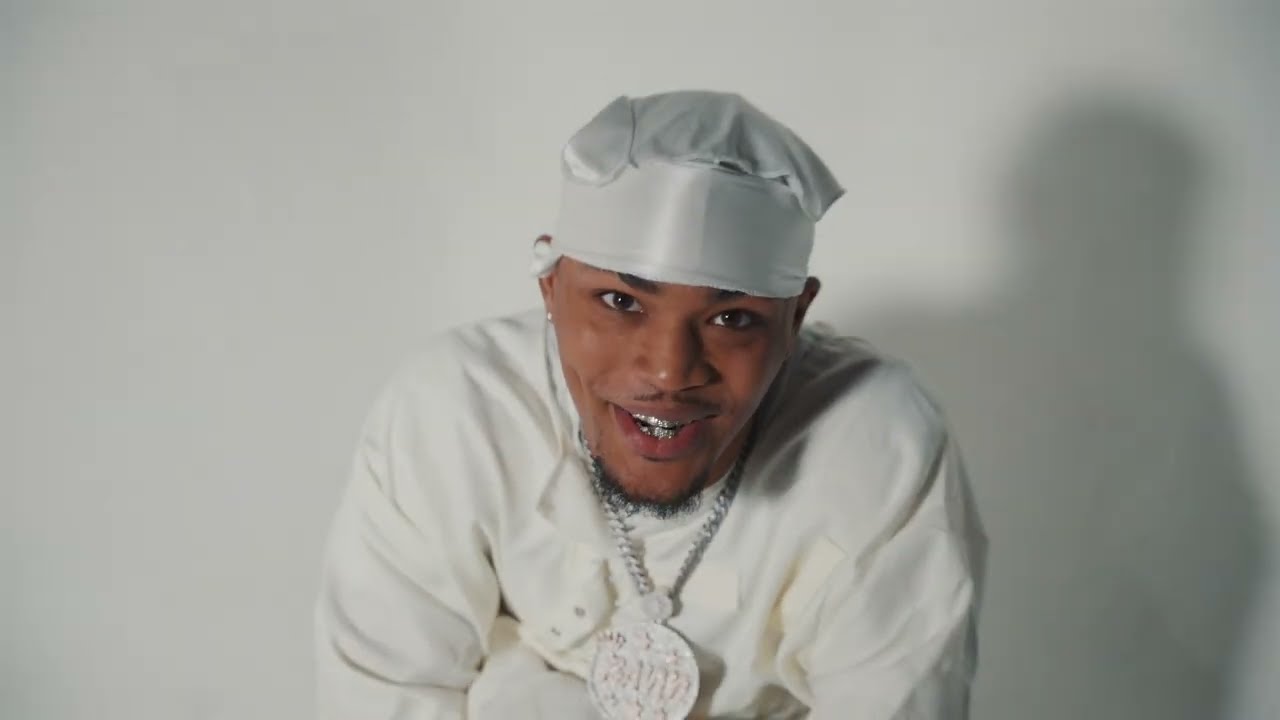
H3adband dropped "Boo" on October 18, 2025 with no label, no marketing budget, and no plan beyond putting a song out. Six weeks later, weekly streams were up 1,882%, the track was sitting on the Billboard Hot 100, and a former junior college point guard from Baton Rouge had record labels calling. Here is exactly what happened, and what you can copy for your own release.
The Song That Started as a Halloween Post
Jordan Randall, who performs as H3adband, self-released "Boo" out of Baton Rouge, Louisiana. It's a 2-minute, 18-second Southern rap track with spooky, Halloween-timed synths that Randall wrote and produced himself, according to Wikipedia).
For the first two weeks, almost nothing happened. The song pulled around 48,000 streams the week of October 31. Then a dance challenge built around the song started on TikTok at the end of October. By the week of November 21, weekly streams hit 960,000. That's an 1,882% jump in three weeks, per data cited on Wikipedia).
https://www.youtube.com/watch?v=km5bgjATdCk
Why the Algorithm Picked It Up
Big names got in early and pulled their own audiences with them. Savannah James, DaBaby and Valentin Chmerkovskiy all posted the dance. Listeners also flagged how much Randall's voice sounds like fellow Baton Rouge rapper YoungBoy Never Broke Again, which handed "Boo" a built-in fanbase primed to like the sound before they even pressed play, according to Wikipedia).
None of that was H3adband's doing. He didn't buy the trend or pay an influencer. He put out a finished song and the timing did the rest.
The Numbers
- Over 20 million total streams
- #90 on the Billboard Hot 100, #19 on Hot R&B/Hip-Hop Songs
- 2.2 million monthly listeners on Spotify
- 1.8 million monthly listeners on YouTube
- 79,000 followers on Instagram at the height of the breakout
What Independent Artists Can Actually Copy
You can't manufacture a viral dance trend. But you can control the parts that made "Boo" easy to catch fire:
- He shipped a complete, short song. 2:18 is easy to loop into a 15-second clip with no awkward cut.
- He timed it to a real moment on the calendar. Halloween gave the song a built-in reason to get reused for weeks.
- He leaned into his actual voice and accent instead of chasing a generic pop sound. The regional specificity is what made people compare him to an artist they already loved.
- He had music ready to catch the wave. When the trend hit, "Boo" was already live everywhere, not sitting in a drafts folder waiting on a release date.
If you're not sure your rollout could survive a sudden spike like this, that's usually a distribution and content problem, not a talent problem. The Set's marketing services and video and photo services exist to make sure you have a real release plan and short-form content ready before you need it, not after.
What 20 Million Streams Actually Pays
Here's the part that gets skipped in every "he went viral" headline: streaming alone didn't make H3adband rich. Spotify pays independent artists somewhere between $0.003 and $0.005 per stream after a distributor cut, and even the higher-paying platforms like Tidal or Apple Music top out around $0.012 to $0.015. Run 20 million streams through that range and you land somewhere between $60,000 and $300,000 total, split across every platform, before touring, merch or producer splits even enter the picture.
That's real money for an unsigned artist. But it's also exactly why the label deal, not the stream count, is the actual prize. A joint venture backed by Atlantic and 10K Projects means tour support, marketing budget and distribution muscle that no viral spike buys on its own. The streams got him in the room. They didn't pay for the career by themselves.
Why TikTok Specifically Rewards Artists Like Him
TikTok's algorithm distributes based on engagement, not follower count or label backing, which is why a song from an artist with zero industry connections can out-perform a major-label release in the same week. Randall didn't need a playlist placement or a publicist to get "Boo" in front of millions of people. He needed a song strangers wanted to duet, lip-sync and dance to, and the platform did the rest for free.
From Self-Released to Signed
After the streaming spike, Randall signed with Hitmaker Music Group in a joint venture with WatchDatBaby Records, backed by Atlantic Records and 10K Projects, according to Billboard. He kicked off a 12-city "Boo Tour" across the South and East Coast in January, managed by BJAY, CEO of Watch Dat Baby Records, per Yahoo.
"There's a lot of talent in Baton Rouge. People just need to keep watching," Randall told Yahoo.
He also said the pandemic is what pushed him to focus on music full time after his basketball career: "That's when I really locked in on music." He wore #3 on his college team, which is where the "H3adband" spelling comes from, a detail that shows up in nearly every piece of press about him now. Small, memorable identity choices like that make an artist easier to talk about once people start paying attention.
The Takeaway
H3adband didn't have a label, a playlist plug or a marketing budget when "Boo" took off. He had one finished song, honest regional sound, and timing he didn't even control. That's the real playbook right now: keep your work ready to release, stay unmistakably yourself, and let the internet do what it does. If you want a system for building that rollout instead of hoping a trend finds you, The Set's School walks through it for free.
Questions
How did H3adband's song "Boo" go viral?
H3adband self-released "Boo" on October 18, 2025. A TikTok dance challenge built around the song took off at the end of October, and weekly Spotify streams jumped from about 48,000 to 960,000 in three weeks, an 1,882% increase, before the track reached the Billboard Hot 100.
Is H3adband signed to a record label?
H3adband self-released "Boo" as an independent artist. After the song went viral, he signed with Hitmaker Music Group in a joint venture with WatchDatBaby Records, backed by Atlantic Records and 10K Projects.
Can independent artists start a TikTok dance trend on purpose?
You can't force a trend, but you can make your music easy to catch one: release short, complete songs, time drops to real cultural moments, and have your distribution and short-form content ready before a spike happens, not after.